
The Impact of Creative Learning in Malaysian Education Systems


Introduction to Creative Learning
Creative learning has emerged as a pivotal component in the evolution of education systems worldwide. In Malaysia, where traditional methods have long dominated, the integration of creative learning is leading to significant changes. This approach nurtures critical thinking, problem-solving, and innovation among students.
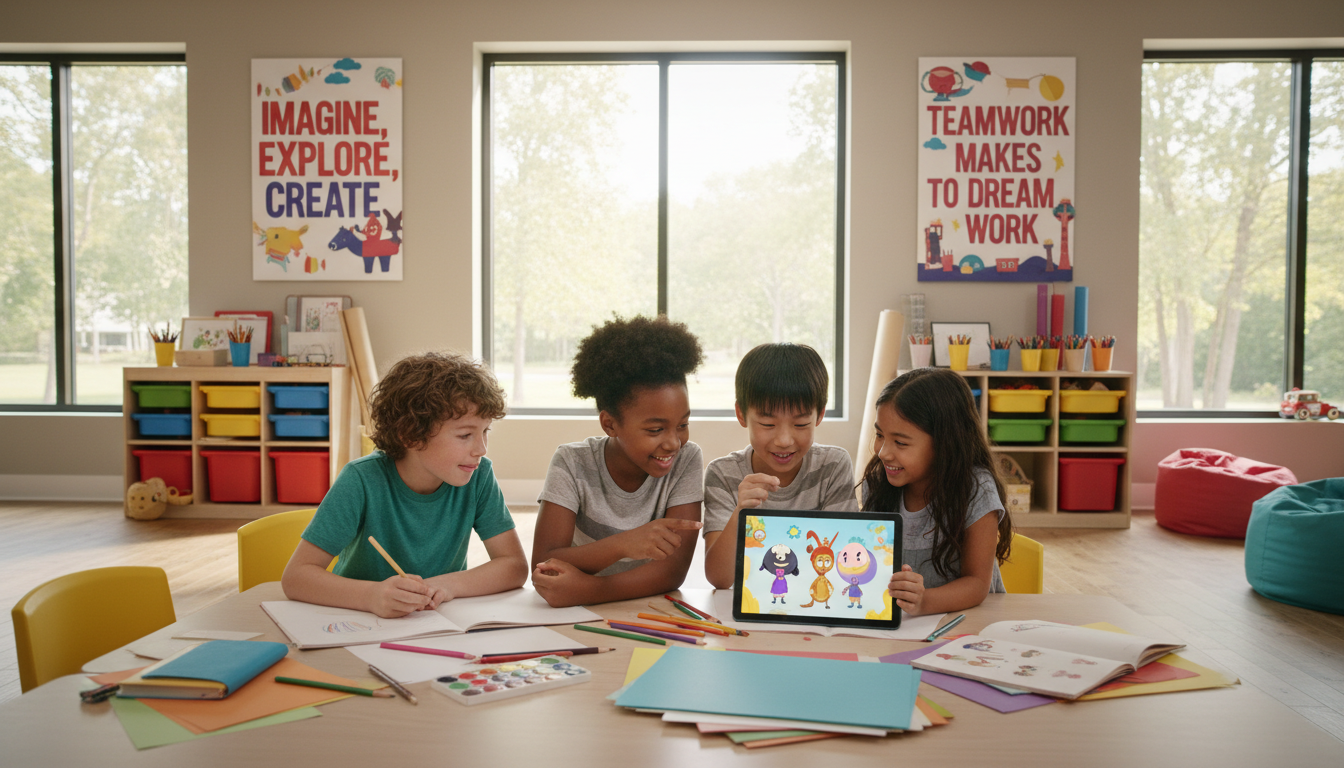
Benefits of Creative Learning
Enhancing Critical Thinking
One of the primary benefits of creative learning is the enhancement of critical thinking skills. By encouraging students to explore multiple solutions to problems, creative learning fosters a mindset geared towards analysis and evaluation. This prepares students for real-world challenges and empowers them to make informed decisions.
Boosting Engagement
Incorporating creativity into the classroom boosts student engagement. Lessons become more interactive and enjoyable, increasing students' enthusiasm for learning. This heightened engagement can lead to improved academic performance and a more profound love for learning.

Implementing Creative Learning in Malaysia
Curriculum Changes
To implement creative learning effectively, Malaysia's education system has begun to incorporate changes in its curriculum. Subjects are now designed to include more project-based and experiential learning opportunities. This shift allows students to apply theoretical knowledge in practical scenarios, enhancing their understanding and retention.
Teacher Training
Training educators is crucial for the successful adoption of creative learning techniques. Teacher training programs in Malaysia now emphasize the development of skills necessary to foster creativity in the classroom. Educators are encouraged to adopt new teaching methods that promote collaboration and innovation.

Challenges and Solutions
Overcoming Resistance
Despite its benefits, the transition to creative learning is not without challenges. Resistance to change is common among educators accustomed to traditional methods. To address this, continuous support and resources are provided to ease the transition and demonstrate the value of creative learning.
Resource Allocation
Another challenge lies in ensuring adequate resources are available for creative learning initiatives. The Malaysian government, along with private sectors, is investing in infrastructure and materials to support these new learning environments. Such investments are vital for the long-term success of creative learning.
Conclusion
The impact of creative learning on the Malaysian education system is profound, offering a path toward a more dynamic and effective learning experience. By fostering an environment that values creativity and innovation, Malaysia is paving the way for future generations to thrive in a rapidly changing world.